
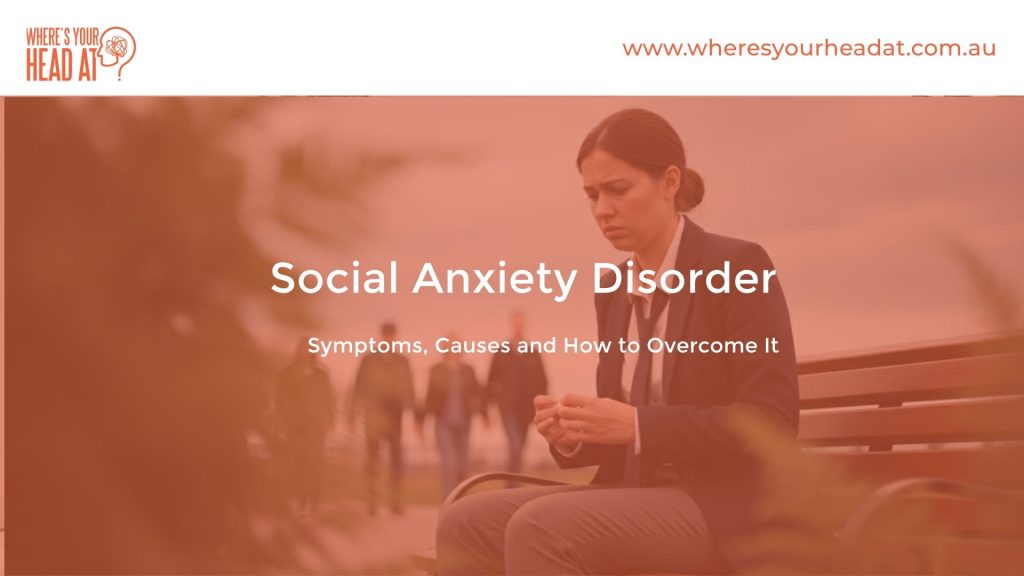
Social Anxiety Disorder is far more common than most people realise, and if you’re dealing with it, you’re certainly not alone. According to the Australian Bureau of Statistics, more than one in six Australians experienced an anxiety disorder such as social phobia in the previous 12 months, making it one of the most widespread mental health challenges across the country. Many people feel nervous before a big presentation or a first date, and that’s a normal part of life. However, what social anxiety disorder really is comes down to something more than ordinary shyness or occasional nerves. It’s a condition that causes an intense, lasting fear of judgement or being watched in everyday situations, and understanding social anxiety disorder symptoms and the causes of social anxiety disorder is the first step towards getting your confidence back.

When this fear starts limiting your choices, life can feel overwhelming pretty quickly. You might find yourself avoiding social gatherings or work events just to stay in your comfort zone, and over time this can affect your relationships, your career, and your general wellbeing. The good news is that social phobia doesn’t have to control your life forever. With the right social anxiety disorder treatment, practical coping strategies for social anxiety, and support from counselling services, you can learn to manage your symptoms and build the confidence to show up fully in your everyday life.
For support today, contact me at Where’s Your Head At on 0499 993 077, visit 20/1 Maitland Place, Norwest NSW 2153, or book an appointment online. If you’d like, call or book a short phone chat first so I can answer any questions and help you feel prepared.
Key Takeaways
- This condition goes beyond simple shyness and can significantly impact your daily choices.
- Identifying specific symptoms is a vital step in managing your mental wellbeing.
- Persistent fear of judgement often leads to avoiding important life experiences.
- Professional support is available through services like Where’s Your Head At.
- Evidence-based treatments can help you regain control and build lasting confidence.
What Is Social Anxiety Disorder?
Learning what is social anxiety disorder can help you find relief and regain confidence. Many people experience shyness or self-consciousness from time to time, but for you, these feelings can become constant and overwhelming, blocking your daily life. It’s a genuine mental health condition that involves an intense fear of being judged or embarrassed in front of others, and it can show up in everyday situations like ordering coffee or speaking up in a meeting.
Unlike everyday nerves, social anxiety disorder symptoms don’t fade once the moment passes, and you might find yourself dreading an event for weeks beforehand. This is often called social phobia, and understanding the causes of social anxiety disorder is key to finding the right social anxiety disorder treatment. With practical coping strategies for social anxiety and support from counselling services, you can start building your confidence back.
Understanding social anxiety disorder and social phobia
You may hear these terms used interchangeably, but social phobia is simply another name for the same recognised condition. It involves an intense and lasting fear of being watched, judged, or embarrassed in social situations.
This condition often starts in childhood or adolescence, although many people seek professional guidance much later in life. Organisations like Where’s Your Head At provide valuable resources for people seeking to understand their experiences and find appropriate counselling support.
How everyday nervousness differs from a disorder
It is perfectly normal to feel jittery before a big presentation or a first date. However, everyday nervousness usually passes after the event or when you become more comfortable.
In contrast, a disorder is persistent and disproportionate to the actual situation. It creates significant distress and can interfere with your ability to work, study, or maintain meaningful relationships.
Why avoidance can make anxiety stronger over time
When anxiety appears, you may want to avoid the situation completely. You might skip parties, decline invitations, or stay silent in meetings to feel safe.
This provides temporary relief, but stops you learning that you can handle these situations. Over time, this cycle reinforces the belief that social interactions are dangerous, making anxiety feel stronger.
Recognising Social Anxiety Disorder Symptoms
Social anxiety disorder symptoms can feel subtle and deeply personal, showing up differently for everyone. Noticing these patterns builds emotional awareness and supports better self-regulation, whether it’s a racing heart before a meeting, avoiding eye contact, or overthinking a conversation long after it’s ended. When you identify how your mind and body respond to social pressure, you can start to break the distress cycle rather than letting it control you.
Emotional and psychological symptoms
Fear of judgement, embarrassment or rejection
This experience often begins with a strong fear of others’ scrutiny. You may fear saying the wrong thing or facing humiliation. This heightened sensitivity to criticism can make daily interactions feel like high-stakes performances.
Persistent self-consciousness and negative self-talk
Many people become trapped in harsh self-criticism. You may replay conversations for hours, looking for mistakes others probably missed. This inner voice lowers self-esteem and leaves you feeling exposed.
Physical symptoms during social situations
Blushing, sweating, trembling, and a racing heart
Anxiety can trigger your body’s “fight or flight” response without warning. Common physical social anxiety disorder symptoms include a racing heart, blushing and trembling hands. These reactions can feel overwhelming when you fear others will notice.
Nausea, dizziness, muscle tension and difficulty speaking
Physical tension may cause a tight chest, a stomach knot or dizziness. Your throat may feel tight, making clear speech or a steady voice difficult. These sensations are natural physiological responses to stress, though they can feel isolating.
Behavioural signs and avoidance patterns
Avoiding conversations, phone calls and group activities
Many people use avoidance to manage discomfort. You may skip gatherings, ignore calls or stay quiet in meetings. This offers temporary relief but can make social situations seem dangerous.
Using safety behaviours to feel less exposed
Safety behaviours are small actions that reduce anxiety, such as checking your phone or rehearsing sentences. They may protect you, but they can stop you learning that you can manage social challenges. Over time, reducing these behaviours builds lasting confidence and supports improving your quality of life.
How Social Anxiety Can Affect Daily Life
When social anxiety takes hold, it can quietly change your relationships, your career path and your overall sense of self. Many people feel nervous now and then, but social anxiety disorder symptoms can go much further, blocking the life you actually want to live. You might turn down invitations, avoid team meetings or steer clear of new relationships, not because you don’t want connection, but because the fear of judgement feels too overwhelming to face. Over time, this can shrink your world, costing you opportunities at work, fading friendships, and taking a toll on your self-esteem, while social phobia often brings physical symptoms too, like a racing heart or nausea whenever a social situation looms. This is why understanding the causes of social anxiety disorder and exploring proper social anxiety disorder treatment matters so much, and with the right coping strategies for social anxiety and support from counselling services, you don’t have to keep shrinking your life to avoid discomfort.
Impact on friendships, dating, and family relationships
Social anxiety often causes relationship difficulties because fear of judgment can make close connections feel overwhelming. You may avoid gatherings or struggle to share your true feelings with family.
Dating can feel especially hard when you worry about being watched or saying the wrong thing. Avoiding dates and gatherings can leave you isolated, even around caring people.
Challenges at school, university and work
The social anxiety disorder impact is often felt at work, school, and university. Asking a teacher for help, joining group projects, or speaking in meetings can cause intense distress.
This can cause workplace stress or lower academic results, not because you lack ability. Fear of evaluation can also lead to missed chances for growth and career advancement.
Effects on confidence, independence and quality of life
Repeatedly avoiding social situations can slowly weaken your confidence and independence. When you step back from challenges, your world may feel smaller, affecting your quality of life.
Low self-esteem can develop after these missed experiences. These struggles are not a personal weakness; they show that you deserve support to regain your footing.
How social anxiety may overlap with low mood and burnout
It is common for social anxiety and low mood to occur together when anxiety becomes exhausting. This cycle can lead to burnout, as constantly performing or hiding symptoms leaves you drained.
Ongoing anxiety can sometimes deepen into depression. Recognising these patterns is a vital step towards finding the right help and improving your mental wellbeing.
| Life Domain | Common Challenge | Potential Outcome |
|---|---|---|
| Relationships | Fear of judgment | Social withdrawal |
| Work/Study | Performance anxiety | Missed opportunities |
| Personal Growth | Low self-esteem | Reduced independence |
| Mental Health | Chronic exhaustion | Burnout or low mood |
Causes of Social Anxiety Disorders and Common Risk Factors
When we examine the causes of social anxiety disorder, we see a mix of biology, environment, and personal history all playing a part. It rarely comes from one single event or personality trait. Instead, overlapping experiences, like a family history of anxiety, a difficult childhood experience, or ongoing stress, shape how you understand and respond to the world around you, and recognising these risk factors can help make sense of your own social anxiety disorder symptoms.
Genetic, neurological, and temperament-related influences
Many social anxiety causes are linked to biology. Research suggests inherited vulnerability strongly affects how our nervous system responds to social situations.
Some people are born with a more sensitive temperament. They may react strongly to new or unfamiliar environments. This sensitivity can make the brain’s “threat detection” system work overtime during social interactions.
Childhood experiences, bullying, and critical environments
Early experiences strongly shape our inner world. Constant scrutiny or harsh criticism can create a deep fear of judgment.
Common social anxiety risk factors include:
- Experiences of bullying or social exclusion during school years.
- A family dynamic that prioritises perfection over emotional expression.
- Early exposure to teasing or humiliation in front of peers.
Stressful life events, transitions and workplace pressure
Major life changes can trigger anxiety, even after someone has coped well. Moving to a new city, starting university, or managing a career change can overwhelm usual coping skills.
Workplace stress often triggers anxiety, especially in jobs requiring public speaking or intense networking. These changes can expose existing vulnerabilities, making anxiety seem sudden.
How low self-esteem, neurodivergence and past experiences may interact with anxiety?
It is important to recognise that low self-esteem and self-worth can fuel anxiety’s cycle. A critical view of ourselves can make rejection seem likely.
Neurodivergence—such as living with ADHD or being on the autism spectrum—can affect how we process social cues. Without support, such as ADHD and ASD coaching, navigating neurotypical social norms can cause exhaustion and greater anxiety.
Why there is rarely one single cause
Ultimately, the causes of social anxiety disorders are layered. View them as influences rather than a direct cause-and-effect path.
Understanding these origins does not mean assigning blame or dwelling on the past. Instead, it helps build compassionate support. Identifying these patterns can clarify your journey and help you seek the specific help that works for you.
When to Seek Help and How Social Anxiety Is Diagnosed
Knowing when to seek help for social anxiety can make all the difference in reclaiming your life. Feeling nervous now and then is completely normal, but when that fear becomes constant and starts limiting the choices you make, it’s a sign that support may help. A diagnosis usually involves talking through your social anxiety disorder symptoms with a GP or mental health professional, who can then guide you towards the right social anxiety disorder treatment and coping strategies for social anxiety through counselling services.
Signs that professional support may be useful
Consider help if anxiety causes persistent avoidance of social situations. If fear affects work, university, or meaningful relationships, it is time to act.
If intense distress disrupts your daily routines, professional guidance can provide useful tools. Seeking help early can stop these patterns becoming firmly established habits.
What to expect from a mental health assessment
A social anxiety diagnosis is a shared process between you and a qualified professional. Your clinician reviews your symptoms, triggers, and how long these challenges have affected you.
The process is supportive and non-judgemental. You will explore how your physical health and lifestyle affect your overall wellbeing.
Questions a counsellor or psychologist may ask
A professional will ask focused questions to understand your experience. They may ask about your earliest social fears and the situations causing most distress.
Expect to discuss your thoughts and any safety behaviours used to cope. Sharing these details helps your therapist create a plan for your needs.
Checking for depression, panic, ADHD, ASD and other related concerns
Social anxiety can overlap with other conditions. A full assessment often checks for depression, panic disorders, and neurodivergence, including ADHD and ASD.
At Where’s Your Head At, we offer a dedicated counselling & psychotherapy service that addresses these emotional and relationship difficulties. Our team knows that neurodivergence and low mood may need integrated care.
| Symptom Category | Occasional Nervousness | Social Anxiety Disorder |
|---|---|---|
| Social Avoidance | Rarely avoids events | Consistently avoids triggers |
| Daily Impact | Minimal disruption | Significant life interference |
| Duration | Short-lived | Persistent (6+ months) |
| Professional Need | Self-management | Counselling & psychotherapy service |
Seeking urgent help when anxiety is accompanied by thoughts of self-harm
Your safety is the highest priority. If you have thoughts of self-harm, seek urgent help immediately. Contact local emergency services, a crisis hotline, or a trusted health professional.
You do not need to face these moments alone. Help is available, and reaching out is a brave step towards protecting your wellbeing.
Step 1: Map Your Anxiety Triggers and Avoidance Patterns
Finding the hidden triggers behind your fear can be the first real step in your recovery journey. With a bit of emotional awareness, you can start using coping strategies for social anxiety that actually suit your life, rather than a generic, one-size-fits-all approach. This process isn’t about self-judgement, it’s simply about gathering information, noticing which situations trigger your social anxiety disorder symptoms, and how you tend to avoid or cope with them, so you can build a clearer picture of what’s really going on.

List situations that trigger fear or self-consciousness
Keep a simple log of each situation that makes you feel uncomfortable or anxious. Specific settings, such as large parties or work meetings, may repeatedly cause distress. Recognising these patterns helps you move from reacting to managing your anxiety.
Record thoughts, physical sensations and urges to avoid
During a difficult situation, pause and write down what happened. Note thoughts such as “everyone is watching me”, and physical signs, like a racing heart or sweaty palms. Also record any strong urge to escape, a key part of social anxiety avoidance.
“The journey of a thousand miles begins with one step.”
Lao Tzu
Identify safety behaviours that maintain social anxiety
Safety behaviours can make us feel protected, but often keep us trapped in fear. They stop us learning that we can handle social situations without them.
Over-rehearsing conversations or relying on a companion
Many people script every word before speaking or need a trusted friend as a buffer. These actions bring short-term relief, but reinforce the belief that you cannot cope alone.
Avoiding eye contact, speaking quietly or leaving early
Other behaviours include checking your phone to avoid interaction or leaving a room quickly. These forms of social anxiety avoidance may help briefly, but limit your chance to build genuine confidence.
Use an anxiety rating scale to track progress
Use a simple zero-to-ten scale to rate anxiety before, during and after a social event. Zero means complete calm, while ten means the highest level of panic. Tracking these numbers over time gives clear evidence of progress and shows anxiety often decreases when you stay.
Step 2: Challenge Unhelpful Thoughts About Social Situations
Changing the way you think about social situations can help you feel more at ease over time. When social anxiety thoughts show up, your brain often presents them as absolute truths, like assuming everyone is judging you or that you’ll embarrass yourself. Pausing to examine these thoughts, rather than accepting them automatically, can reduce your distress and is a core part of many effective coping strategies for social anxiety.
Separate anxious predictions from observable facts
Anxious predictions can sound certain, such as “Everyone will notice if I stumble over my words.” Yet these are only guesses about the future, not objective reality. Focus on what you can see and hear now to separate fears from facts.
Question mind-reading, catastrophising and all-or-nothing thinking
Many people find that CBT for social anxiety helps identify common thinking traps. Mind-reading means assuming you know what others think, often that they judge you negatively. Catastrophising imagines the worst outcome, while all-or-nothing thinking sees conversations as success or failure.
Create balanced responses to fears of embarrassment or rejection
It is natural to feel a fear of embarrassment and rejection when you feel vulnerable. Build a balanced view that accepts discomfort without expecting disaster. This middle ground lets you join social spaces without needing to be perfect.
Ask what evidence supports the anxious thought
When a negative thought appears, act like a detective. Ask yourself, “What actual evidence do I have that this will happen?” Often, your fears come from feelings rather than concrete proof.
Consider what you would say to a trusted friend
If a close friend shared the same worry, would you tell them they would fail? Most likely, you would offer them kindness and perspective. Offer yourself that same compassion when the fear of embarrassment and rejection appears.
Practise self-compassion instead of demanding perfection
Recovery does not require flawless communication or an end to nervous feelings. Practising self-compassion means accepting that you are human and that it is okay to be imperfect. Letting go of perfection gives you room to grow and build genuine confidence over time.
Step 3: Build Confidence Through Gradual Exposure
Anxiety can feel trapping, but taking small, deliberate steps towards your fears can genuinely change your life. Many people with social phobia find that avoiding situations only makes the fear stronger over time, while facing these moments gradually, at your own pace, can slowly change how your brain responds to social pressure, helping you build real, lasting confidence.
Create a realistic social anxiety exposure ladder
A social anxiety exposure ladder breaks intimidating tasks into smaller, achievable goals. List situations that cause mild discomfort, then rank them from easiest to hardest. This plan helps you build confidence without feeling overwhelmed.
Start with manageable situations and repeat them regularly
Consistency is vital when using gradual exposure for social anxiety. Choose one small task and repeat it until it feels routine, rather than forcing yourself into a high-pressure event. This teaches your nervous system that the situation is safe and manageable.
Progress from low-pressure practice to more challenging interactions
As your confidence grows, move up your ladder to more demanding tasks. This helps you compare anxious predictions with reality and often shows that your fears exceed the actual outcome.
Making brief eye contact and greeting a neighbour
Begin by offering a friendly nod or a quick “hello” to someone you see regularly. This simple interaction helps you feel comfortable being noticed by others.
Asking a shop assistant for help
When ready, ask a shop assistant where to find an item. This brief, purposeful conversation helps you practise assertiveness in a controlled setting.
Contributing one comment in a meeting or group
When you feel more secure, share one thought or question during a group discussion. You need not be the centre of attention; making your voice heard is a significant victory.
Stay in the situation long enough to learn that anxiety can reduce
Stay in the chosen situation until your physical anxiety symptoms begin to settle. Leaving too early may teach your brain that escape was the only way to stay safe. Staying present lets you experience the natural decline of your anxiety levels.
Adjust the pace when exposure feels overwhelming
Recovery is not a race, so adjust your pace if you feel pushed too far. If a task feels impossible, break it into smaller steps or return to an earlier ladder level. Seek professional guidance if progress stalls or distress becomes unmanageable.
| Difficulty Level | Example Task | Goal |
|---|---|---|
| Low | Greeting a neighbour | Build initial comfort |
| Medium | Asking for shop assistance | Practice assertive communication |
| High | Speaking in a group | Improve self-worth and confidence |
Step 4: Use Practical Coping Strategies Before and During Social Situations
Social situations feel a lot easier when you have reliable ways to steady your nerves in the moment. Having a set of coping strategies for social anxiety, like grounding techniques, controlled breathing or preparing a few conversation starters in advance, can build your confidence and reduce distress before and during the situations that usually feel overwhelming.
Prepare without over-rehearsing
Preparation helps, but too much can trap you in your thoughts. Rather than scripting every word, choose a few comfortable topics.
Over-rehearsing can create pressure to perform perfectly. Light, flexible preparation leaves space for natural conversation.

Use slow breathing and grounding techniques
When your body enters high alert, physical symptoms can feel overwhelming. Try social anxiety breathing techniques, such as slow, rhythmic belly breathing, to tell your nervous system you are safe.
Also, social anxiety grounding techniques can shift focus from racing thoughts. Try the “5-4-3-2-1” method. Name five things you see, four you touch, three you hear, two you smell, and one you taste.
Shift attention from internal monitoring to the present moment
Social anxiety can make us focus on physical sensations or perceived flaws. This “internal spotlight” can increase self-consciousness and weaken our connection with others.
The goal is to gently redirect your attention outward, focusing on the environment and the person you are speaking with, rather than your own internal performance.
Use assertive communication and prepared conversation prompts
Assertiveness helps you express your thoughts clearly while respecting yourself and others. A few open-ended questions can reduce pressure to carry the whole conversation.
Asking open questions and showing genuine interest
Open questions help conversations flow. Asking about someone’s experiences or opinions shows genuine interest and helps them feel valued. It also reduces focus on your anxiety.
Expressing needs, preferences and boundaries respectfully
Setting boundaries is an important part of self-care. You can express needs, request a short break from a loud room, or avoid certain topics. Doing this respectfully protects your independence and comfort.
Reduce anxiety-maintaining habits, including excess caffeine and alcohol
What you consume can affect your usual anxiety levels. Large amounts of caffeine can cause a racing heart, while alcohol may briefly help but increase anxiety the next day.
- Prioritise consistent sleep routines to help regulate your mood.
- Incorporate regular movement to burn off excess nervous energy.
- Practice mindfulness to improve your ability to stay present.
These lifestyle changes help, but they do not replace professional treatment. If anxiety feels unmanageable, contact a qualified therapist for the most effective path forward.
Step 5: Develop Long-Term Habits That Support Recovery
Moving beyond early progress means building lasting routines into your daily life for long-term social anxiety management. Quick tools can help you get through stressful moments, but it’s the small, everyday choices, like getting enough sleep, staying connected with supportive people and managing overall stress, that really protect your mental energy over time. These habits work together to support lasting coping strategies for social anxiety, helping your progress stick well beyond any single tough moment.
Build regular sleep, movement and relaxation routines
Your physical health supports emotional stability. Regular sleep helps regulate your nervous system and reduces reactions to social stress. Daily movement, even a simple walk, releases tension and naturally lifts your mood.
Schedule relaxation time to prevent burnout. Mindfulness, reading, or music can help your brain recover from each day’s demands.
Strengthen self-esteem through achievable goals and meaningful activities
Building self-worth takes time and grows through small, steady wins. Set achievable goals that stretch you without causing overwhelming distress. Hobbies or volunteer work with meaning can shift your focus from self-consciousness.
When you choose activities that match your values, your identity grows beyond anxiety. This change helps you feel more capable and confident in different social settings.
Maintain supportive relationships while practising independence
Connection matters, but so does your sense of self. Keep relationships with people who offer real support and understanding. Also practise independence through solo activities you enjoy.
Balancing social connection with personal time prevents reliance on others for validation. This healthy balance strengthens your resilience and sense of autonomy.
Manage stress, life transitions and workplace demands
Life changes, such as starting a job or moving house, can increase anxiety. These periods need extra self-care and patience. During high workplace pressure, share your needs early and divide large tasks into smaller steps.
Managing stress early prevents tension from building and causing avoidance. Knowing your limits helps you handle change without harming your mental wellbeing.
Review setbacks as useful information rather than personal failure
It is normal for anxiety to feel stronger on some days. Treat these moments as valuable data, rather than failures. Ask what triggered the feeling and what you might change next time.
This view replaces self-criticism with curiosity. Learning from setbacks supports long-term recovery and personal growth.
Create a relapse-prevention plan for future high-pressure situations
A clear social anxiety relapse prevention plan provides a safety net. Note early warning signs, such as increased muscle tension or wanting to avoid social plans. When you notice these signs, use your preferred coping techniques straight away.
- List your personal early warning signs of rising anxiety.
- Keep a list of trusted professional contacts or support services.
- Identify three grounding techniques that work best for you.
- Schedule a review of your progress every few months to stay on track.
Social Anxiety Disorder Treatments and Counselling Support
When social anxiety feels overwhelming, evidence-based social anxiety disorder treatment options offer a clear path forward. Seeking professional help is a courageous step towards understanding your triggers and building healthier responses to the world around you, and reaching out to counselling services can give you tailored support, whether through talk therapy, cognitive behavioural techniques, or a combination of approaches suited to your social anxiety disorder symptoms.
How counselling and psychotherapy can help
A professional counselling & psychotherapy service provides a safe space to explore the roots of your distress. With a therapist, you can learn tools to manage life with greater ease and confidence.
Cognitive behavioural therapy and exposure-based strategies
CBT and exposure therapy are widely considered the gold standard for treating social anxiety. These methods help you spot unhelpful thoughts and face feared situations gradually, in a controlled, supportive setting.
Support with emotional awareness and self-regulation
Learning to identify emotions as they arise is a key part of healing. Therapists help you develop self-regulation techniques, so you can stay calm when social pressure triggers you.
Approaches for boundaries, assertiveness and relationship difficulties
Many people struggle to say no or express their needs clearly. Counselling offers practical training in assertiveness and healthy boundaries, improving personal and professional relationships.
When medication may be discussed with a medical professional
Although therapy is highly effective, some people may need medication for severe symptoms. Discuss these options with a qualified GP or psychiatrist who can assess your health needs.
Choosing the right support for overlapping concerns
Social anxiety counselling can also support people facing other challenges. A holistic approach addresses all aspects of your wellbeing during recovery.
Depression and low mood
Addressing low self-esteem and persistent low mood is crucial for lasting recovery. Therapy can rebuild your sense of self-worth while helping manage depression symptoms.
Anger management and stress management
Effective stress management techniques help you handle workplace pressure and daily demands. Learning to process frustration through anger management can also prevent emotional burnout.
Grief and loss, identity and personal growth
Life changes can be difficult, especially when you already manage anxiety. Counselling supports you through grief and helps you navigate changes in identity and personal growth.
ADHD and ASD coaching, neurodivergence and parenting support
Specialised support is available for neurodivergent people. This includes ADHD and ASD coaching, plus parenting support for the demands of family life.
Support available from Where’s Your Head At
Where’s Your Head At offers a dedicated counselling service for anxiety and related concerns. Its team provides a compassionate, non-judgmental environment for all clients.
Counselling service for anxiety and related concerns
Whether you face social anxiety or other life hurdles, the team is ready to assist. They provide practical strategies that support lasting change.
Booking online at https://wheresyourheadat.com.au/therapist-booking/
You can schedule your first session by visiting their website. Online booking makes it easy to find a suitable time.
Contact details: 0499 993 077 and 20/1 Maitland Place, Norwest NSW 2153
You can call 0499 993 077 if you prefer to speak with someone directly. Their office is at 20/1 Maitland Place, Norwest NSW 2153.
Additional support areas, including burnout, pornography addiction, spirituality and religion
The service also supports complex issues such as burnout, pornography addiction, and questions about spirituality and religion. They support the whole person across every part of life.
How to prepare for your first counselling appointment
Feeling nervous before your first session is normal. Write down goals you hope to achieve or situations that cause distress. Your therapist is there to support you, not judge you.
| Therapeutic Approach | Primary Focus | Key Benefit |
|---|---|---|
| CBT | Thought Patterns | Reduces irrational fears |
| Exposure Therapy | Behavioural Habits | Builds social confidence |
| Assertiveness Training | Communication | Improves boundary setting |
| Mindfulness | Emotional Regulation | Lowers physical anxiety |
Conclusion
Social Anxiety Disorder is treatable, even though it can affect your emotional, physical and behavioural health all at once. You can reclaim your life by identifying your triggers, challenging unhelpful thoughts and practising gradual exposure, and these steps all support your recovery from social anxiety disorder symptoms over time. Consistency is vital when managing social anxiety, and stressful life transitions may cause things to fluctuate, but this doesn’t mean you’ve failed. Treat each setback as a chance to learn and refine your approach, rather than a reason to give up on your progress.
Professional support for social anxiety can offer clarity and practical tools for lasting change, whether through counselling and psychotherapy services or other social anxiety disorder treatment options suited to your needs. If you ever feel overwhelmed or have thoughts of self-harm, please reach out to a crisis support line or mental health professional immediately. Your journey towards confidence is a process, not a destination, so stay patient with yourself as you build sustainable routines and meaningful connections. You deserve to live a life defined by your goals, not your fears.
For support today, contact me at Where’s Your Head At on 0499 993 077, visit 20/1 Maitland Place, Norwest NSW 2153, or book an appointment online. If you’d like, call or book a short phone chat first so I can answer any questions and help you feel prepared.
FAQ
What is social anxiety disorder and how is it different from shyness?
Shyness is a personality trait that often fades as you become comfortable. Social anxiety disorder is a lasting mental health condition.It involves intense fear of judgement, strong avoidance, or distress in daily life. This fear is greater than the situation warrants.
What are the most common social anxiety disorder symptoms?
Social anxiety disorder symptoms include physical responses, emotional experiences, and behavioural patterns. Physical responses include blushing, sweating, or a racing heart.Emotional experiences include intense self-consciousness or dread. Behavioural patterns include avoiding eye contact or declining social invitations.
Can you explain the causes of social anxiety disorders?
Social anxiety disorders usually result from genetic factors, brain chemistry, temperament, and life experiences. Bullying or a highly critical childhood environment may also contribute to social phobia.
What are some effective social anxiety disorder treatments?
Evidence-based social anxiety disorder treatments include Cognitive Behavioural Therapy (CBT), Exposure Therapy, and Acceptance and Commitment Therapy (ACT). A medical professional may also recommend medication for physical symptoms.
How can a counselling & psychotherapy service help me?
A counselling & psychotherapy service offers a safe space to understand triggers and challenge unhelpful thoughts. It also helps you develop practical social skills.Therapists at Where’s Your Head At provide tailored support. They help you build self-esteem and independence.
What are some immediate coping strategies for social anxiety?
Useful coping strategies for social anxiety include slow breathing, grounding, and shifting attention. Focus on your surroundings or the person you are speaking with.Reducing caffeine and alcohol can also help stabilise your nervous system.
Is social phobia the same as social anxiety disorder?
Yes, social phobia is another name for social anxiety disorder. Both terms describe the same recognised anxiety condition.It involves deep fear of social situations and judgement by others.
How do I know if I should seek help for social anxiety?
Consider professional support if anxiety feels severe, persistent, or blocks your goals. It may affect work, education, or relationships.If avoidance has become your main coping method, a counsellor can help you find healthier ways forward.